Instagram/@yayukanjarwati83
Brilio.net – Frying pan Old school does have its own charm, especially if it has been used for years and the resulting dishes taste even better. Many people still use them faithfully even though they are not equipped with a non-stick coating like modern frying pans. Its plain texture is a characteristic that is difficult to leave behind.
Because it is not non-stick, a trend has emerged to overcome its shortcomings with a seasoning process. This technique is believed to make the surface of the pan smoother and less likely for food to stick. The results can be effective, especially if the process is right and maintenance is diligent.
But unfortunately, seasoning does not always give the expected results. There are times when the surface of the pan becomes sticky again or the coating quickly disappears due to mistreatment. Instead of being practical, the process actually feels troublesome for some people who just need a frying pan that is ready to use without many additional steps.
Instead, you can use the method from Instagram user @yayukanjarwati83 to turn an old school frying pan into a non-stick one without seasoning. Here is the tutorial that has been done BrilioFood summarized from Instagram @yayukanjarwati83 on Tuesday (25/11).
An easy trick to change an old frying pan to make it non-stick.
1. Heat salt in a pan.
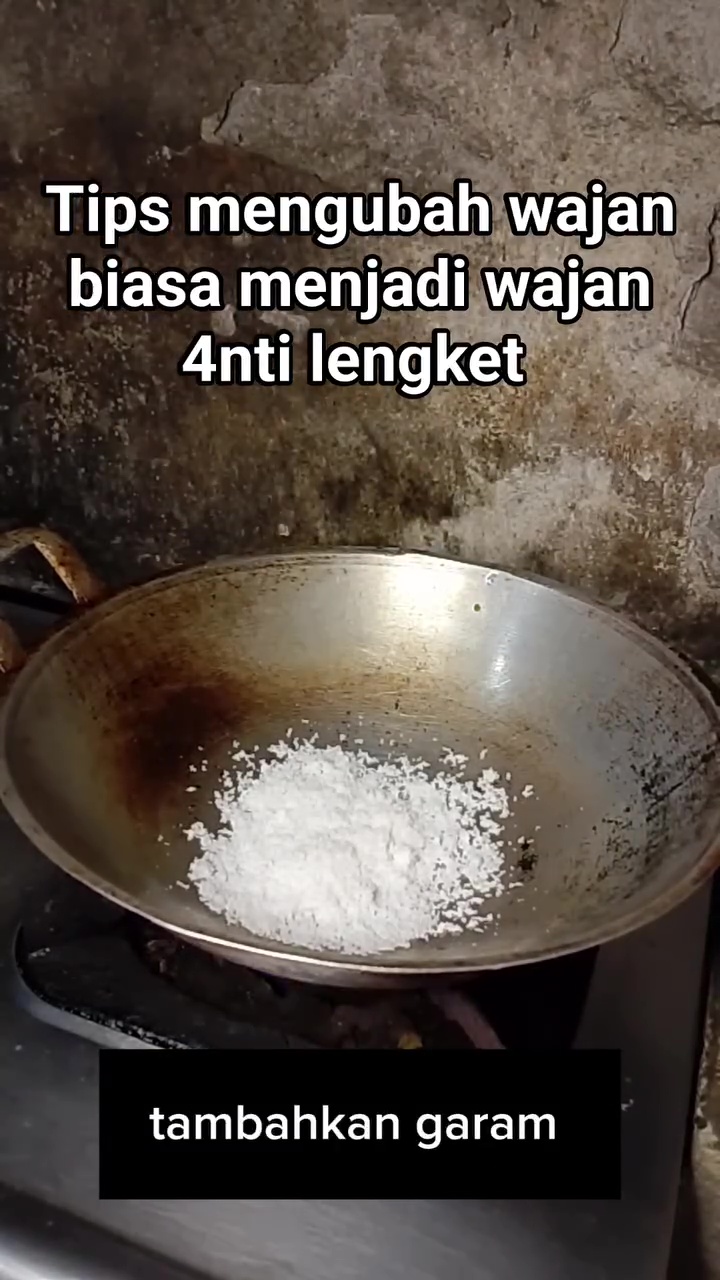
photo: Instagram/@yayukanjarwati83
Start by adding a handful of salt to the still dry pan. Heat the pan while continuing to stir the salt so that it is evenly distributed over the entire surface. This simple technique helps remove excess burnt oil and makes the pores of the pan more ready to accept oil later.
2. Add a little oil and stir until the salt browns.
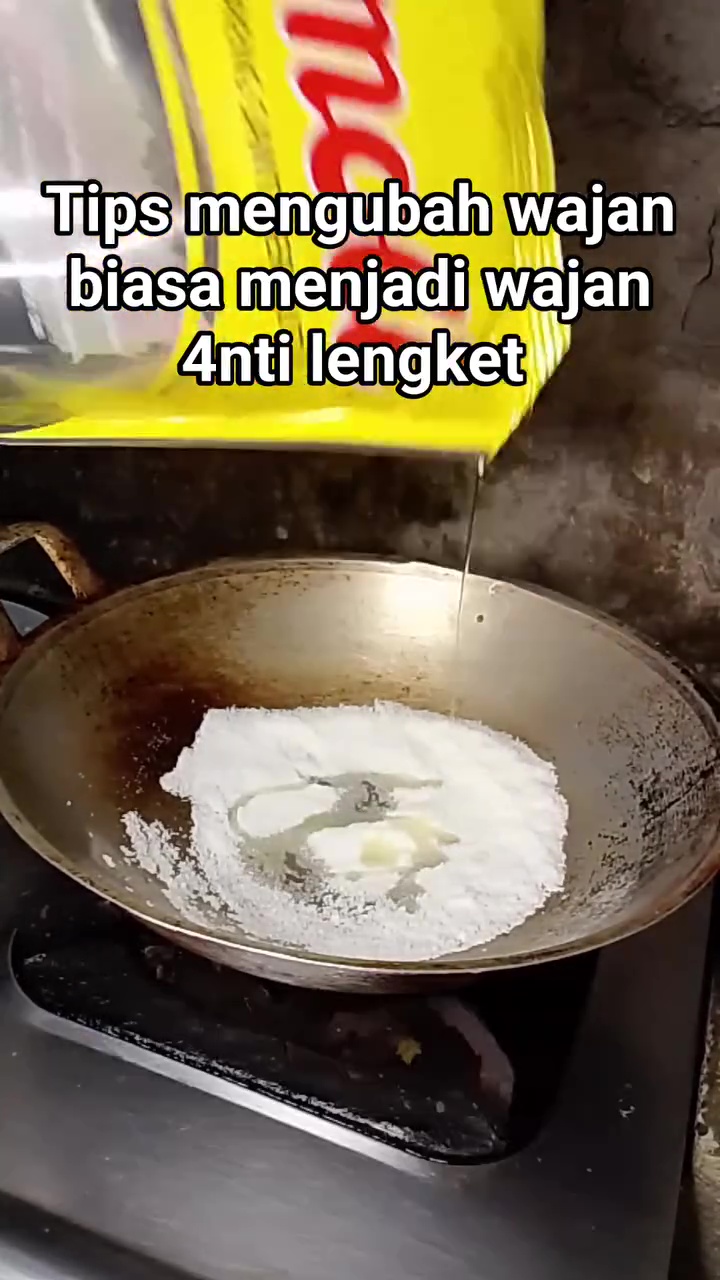
photo: Instagram/@yayukanjarwati83
When the salt is evenly hot, pour in a little oil and continue stirring. The oil will help carry the heat and cause the salt to brown, a sign that the surface of the pan is being “cleaned” naturally. This process also makes the surface of the pan start to feel smoother.
3. Discard the salt and wash the pan as usual.
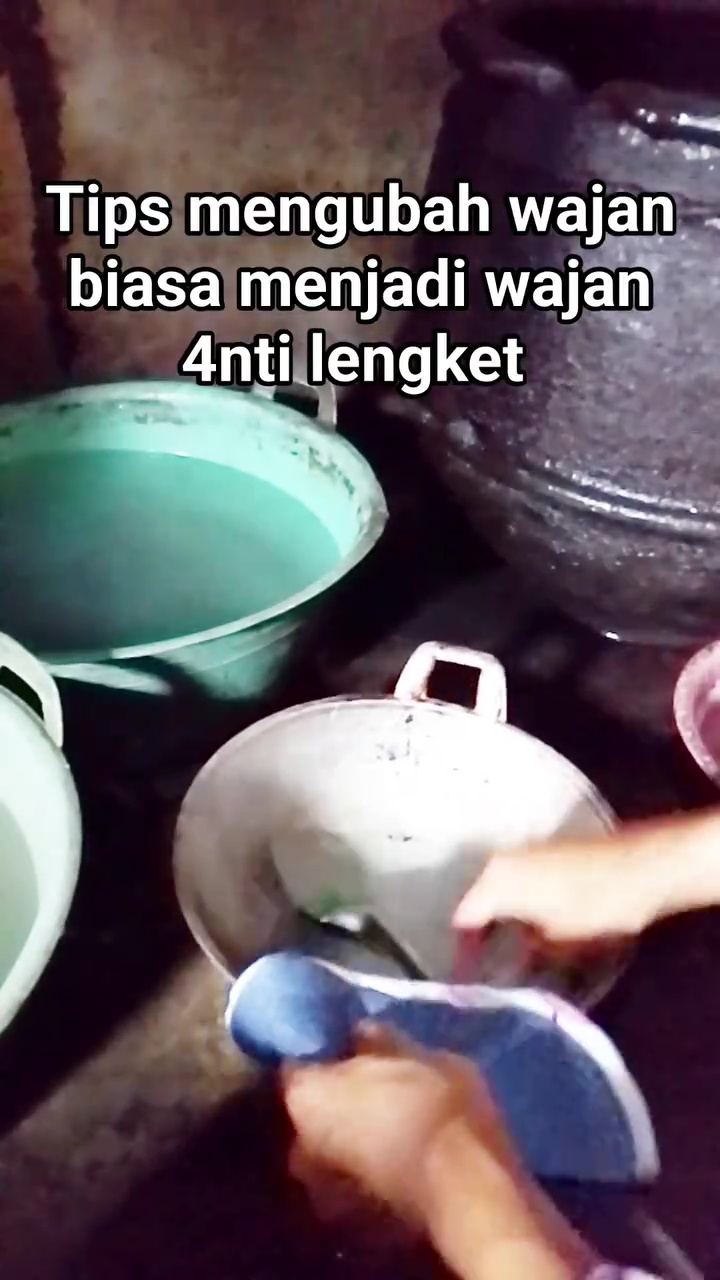
photo: Instagram/@yayukanjarwati83
Once the salt turns brown, turn off the heat and transfer the salt to another container. Wash the pan using dish soap to remove remaining salt and oil. When rinsed, the pan usually feels smoother than before.
4. Heat again until water droplets appear.
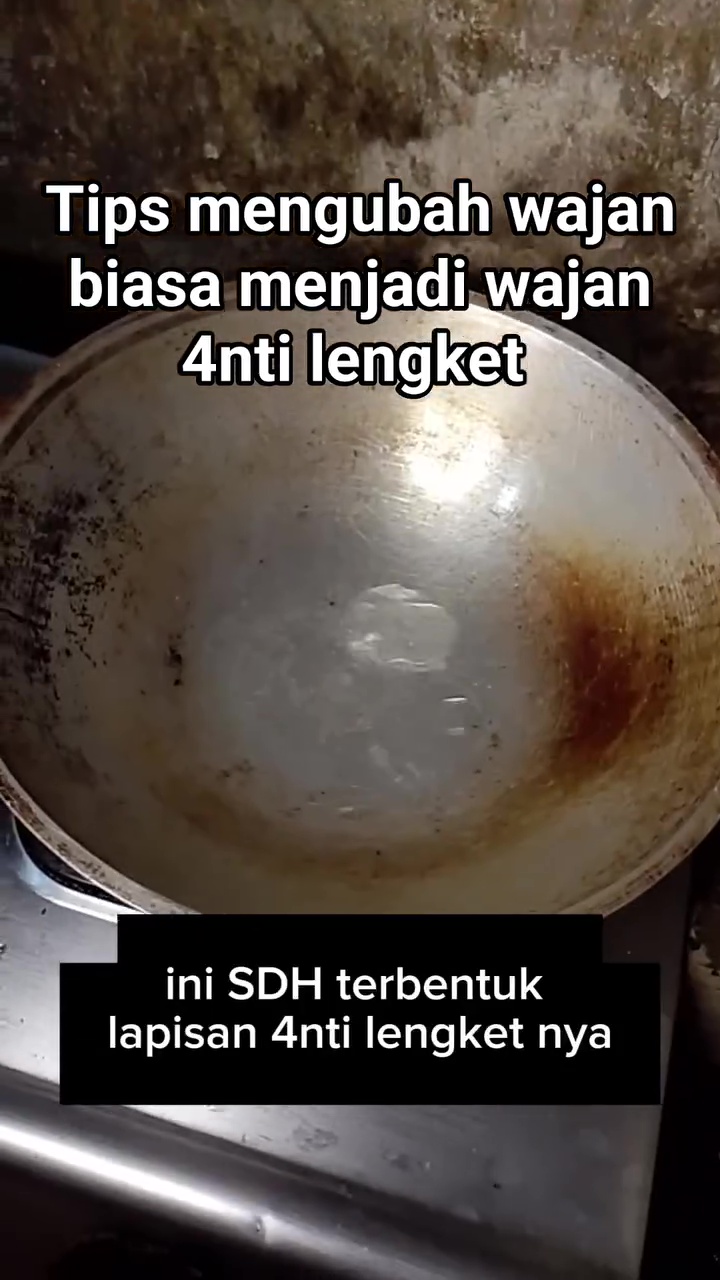
photo: Instagram/@yayukanjarwati83
Dry the pan then heat it again until it is really hot. Try adding a little water, if water droplets form and “dance” on the surface, that’s a sign that the pan is ready to use. This effect shows that the surface of the pan is hot and slippery enough to prevent food from sticking easily.
5. The frying pan is ready to be used in a more non-stick condition.
After the previous stages are completed, the frying pan can be used directly for cooking. The texture will feel much smoother even if it doesn’t use a modern non-stick coating. This method helps make old school frying pans work optimally without complicated seasoning tricks.
Questions about tricks so that the pan doesn’t stick.
Many people are still confused about why pans that look clean still make food stick easily. However, there are several simple tricks that can help make the pan work smoother without requiring complicated maintenance.
1. Why do stainless steel pans often stick even though they have been oiled?
Stainless steel pans need stable heat before adding oil. If you pour oil while the pan is still cold, the oil will not form a protective layer and the food will immediately stick. Heat the pan first, then add oil, then add the cooking ingredients.
2. Can salt help prevent pans from sticking?
Yes, the salt helps lightly “sand” the bottom of the pan. To do this, heat the pan then sprinkle a little salt, stir for a few minutes, then throw away the salt and rinse. After that, the surface usually feels smoother and doesn’t stick as easily.
3. Why does food remain sticky even though the pan is hot?
Usually food ingredients are added too quickly before the oil is completely ready. An easy test: insert the tip of a chopstick or wooden spoon into the oil—if small bubbles appear, it’s ready. If not, the food will immediately stick and be difficult to remove.
4. Do you need to add a little water before cooking to prevent the pan from sticking?
In some dishes, dripping a little water before the oil can help create a thin layer of steam. This layer reduces direct contact of food with the bottom of the pan. But this technique is more suitable for light stir-fries, not for frying.
5. Is it true that pans have to be cooled first after washing so they don’t stick when used again?
Yes, a pan that is still hot when washing can cause its surface to experience small texture changes that cause food to stick more easily. After washing, let it dry and cool naturally before using again. This method helps keep the surface quality of the pan stable.
(brl/ola)
News
Berita
News Flash
Blog
Technology
Sports
Sport
Football
Tips
Finance
Berita Terkini
Berita Terbaru
Berita Kekinian
News
Berita Terkini
Olahraga
Pasang Internet Myrepublic
Jasa Import China
Jasa Import Door to Door
Comments are closed, but trackbacks and pingbacks are open.