Photo: Shutterstock.com
Brilio.net – The aroma of freshly cooked fried food always manages to tempt anyone’s sense of smell in the afternoon. The crispy texture on the outside and soft inside is a combination that is very hard to resist. Maintaining a healthy diet is often considered a tough challenge for lovers of oily snacks.
A healthy lifestyle transformation can actually start from your own kitchen in a very simple way. Choosing low-fat fried recipes provides a smart solution to daily nutritional needs. No need to feel burdened by complicated cooking procedures or ingredients that are difficult to find on the market.
Immediately prepare your apron and start trying five variations of this specially curated menu. Each recipe offers easy processing without reducing the quality of taste that all family members expect. Prove for yourself that living fit and consuming delicious food can go hand in hand in harmony.
How to reduce oil and fat in fried dishes
Using grease-proof wipes after the cooking process is complete is very effective in absorbing remaining fat that sticks to the surface of the food. Regulating the temperature of the fire so that it remains stable also prevents the food from absorbing too much oil while it is in the hot pan.
Apart from that, using modern cooking equipment such as an air fryer or oven is the best alternative to get the perfect crispy texture without soaking in oil. Make sure all food ingredients are dry before entering the frying pan so that the cooking process runs more efficiently and is not oily.
Let’s try it together BrilioFoodFriday (22/5).
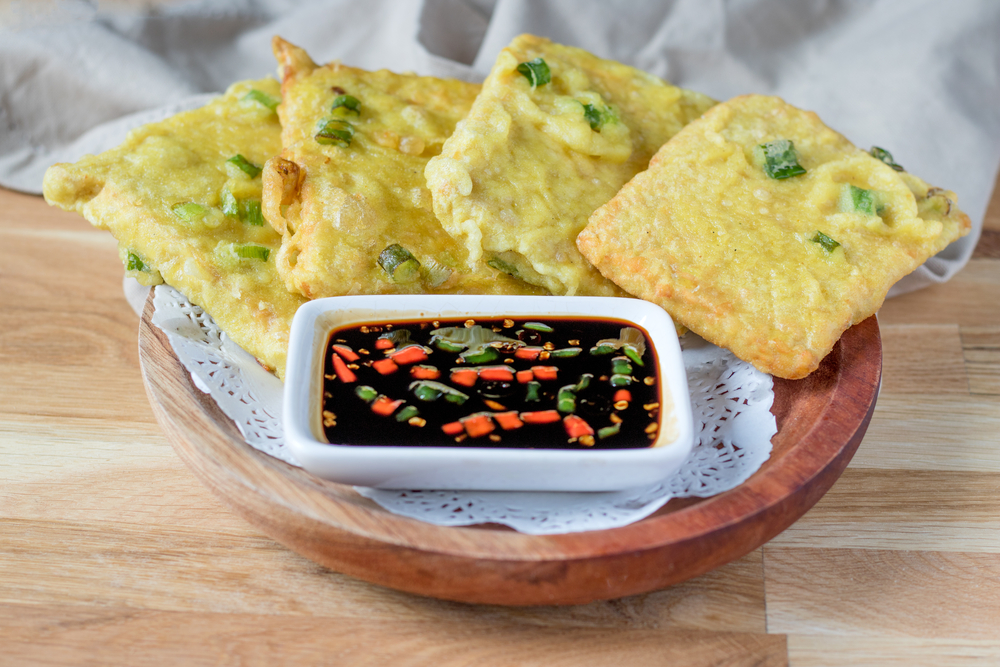
Photo: Shutterstock.com
Material:
– 1 block of tempeh, thinly sliced
– 225 grams of Original Multipurpose Sasa Flour
– 2 tablespoons rice flour
– 3 spring onions, use the green part and thinly slice
– 3 lime leaves, finely chopped
– 400 ml of water
– Enough cooking oil
Complementary:
– Sasa Sambal Terasi
How to make:
1. Mix Sasa Original Multipurpose Seasoning Flour and rice flour, stir well.
2. Add enough water to the mixture and make sure the mixture is not too thick or runny.
3. Add the lime leaves and spring onions. Mix well.
4. Dip the tempeh into the mixture for 15 minutes until the spices are absorbed.
5. Heat plenty of cooking oil in a frying pan.
6. Fry the tempeh briefly, remove and drain.
7. Serve with Sasa Sambal Terasi to make it even more delicious
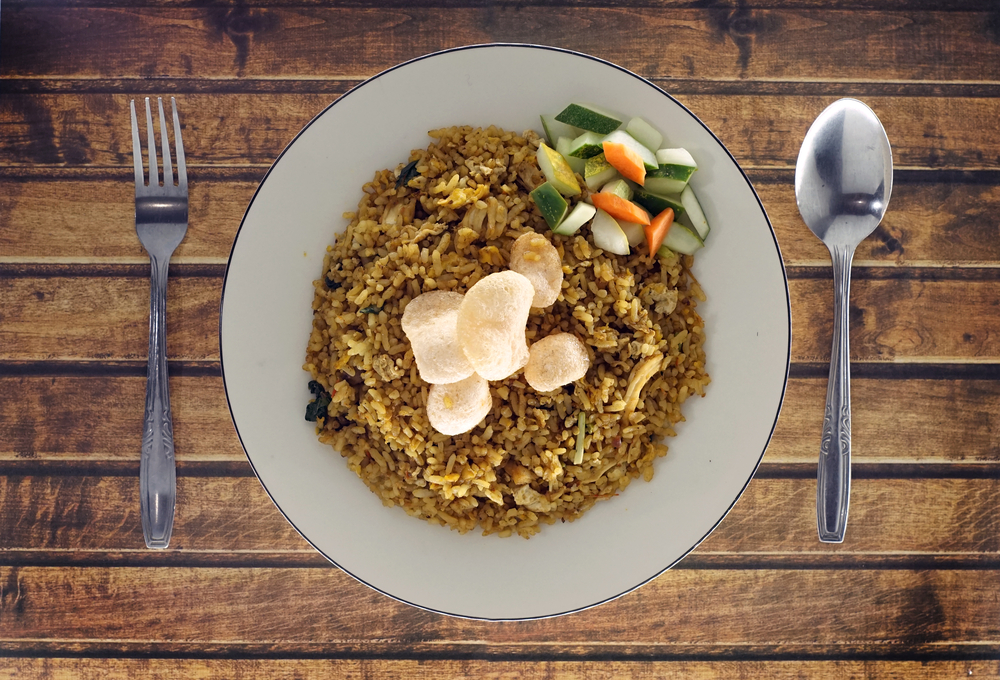
Photo: Shutterstock.com
Material:
– 300 gr cold rice
– Shredded chicken, to taste
– 4 cloves of garlic
– 7 red onions
– 20 green cayenne peppers
– 2 chicken eggs
– 1 tsp dried ebi
– Mustard greens & cabbage
– ½ tsp salt
– ½ tsp ground pepper
– ½ tsp granulated sugar
– 1 tsp Now MSG
– 2 tbsp Sasa Sambal Terasi
How to make:
1. Coarsely chop all the ingredients.
2. Fry the scrambled eggs and stir-fry the uleg and ebi spices until fragrant.
3. Add vegetables, shredded chicken, followed by rice.
4. Then add 2 tablespoons of Sundanese style Sambal Terasi Sasa and cook quickly over high heat.
5. Adjust the taste and serve with cucumber, crackers and fried egg.
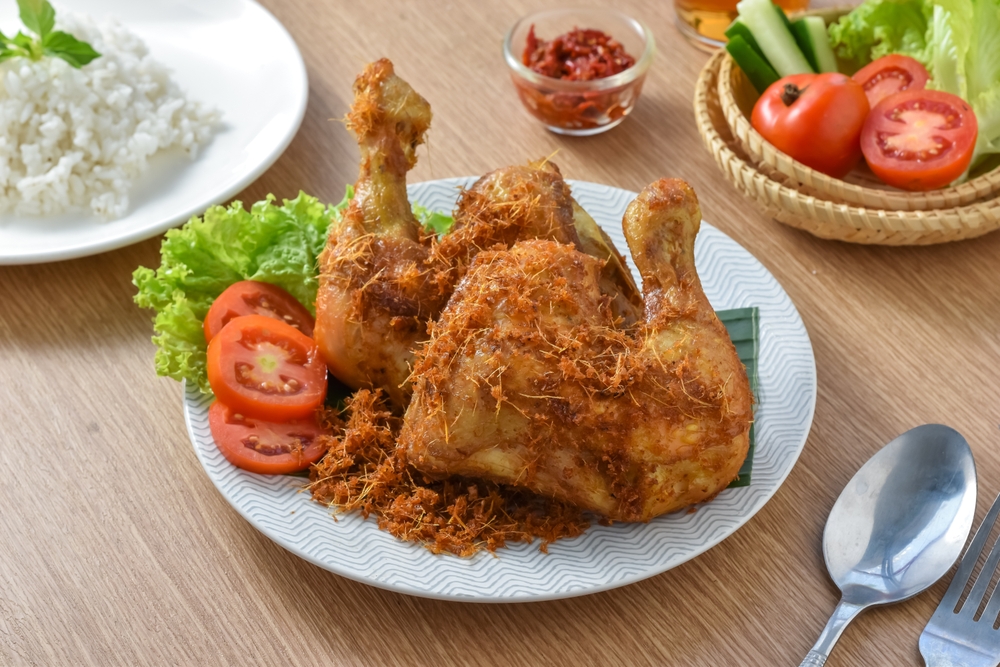
Photo: Shutterstock.com
Material:
– 1 kg chicken
– 2 packs of Yellow Chicken Ungkep Seasoning Sasa
– Enough grated coconut
– Enough water
How to make:
1. Add all the ingredients together 1
2. Cover the chicken until the water reduces.
3. Fried chicken.
4. Fried Dumplings Recipe
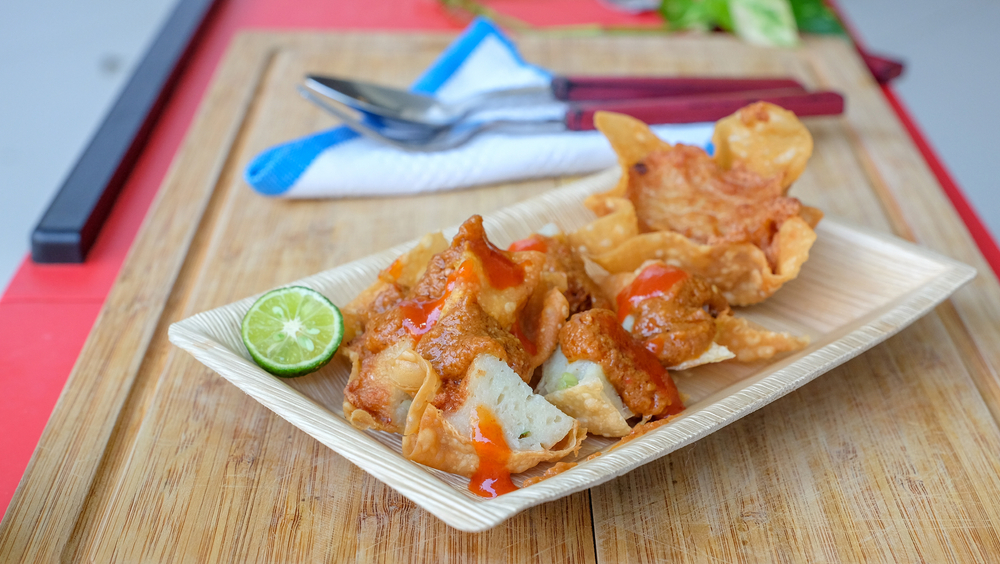
Photo: Shutterstock.com
Material:
– Dumpling skin / gyoza
– 350 gr chicken thigh fillet
– 10 peeled shrimps
– 3 cloves of garlic
– 2 egg whites
– 3 tablespoons cornstarch
– 1 tbsp sesame oil
– 1 tbsp soy sauce
– 1 tablespoon oyster sauce
– 2 tablespoons soy sauce
– 1/2 tsp Now MSG
– 1/2 tsp Chicken Flavored Broth Seasoning Sasa
– 1 tsp ground pepper
– 1 tsp sugar
Sauce Ingredients:
– 1 tablespoon dark soy sauce
– 1 tbsp fish sauce
– 1.5 tablespoons sweet soy sauce
– 1 tablespoon oyster sauce
– 1 tbsp sesame oil
– 1/2 tsp Now MSG
– 1/2 tsp ground pepper
– 1.5 tbsp sugar
– 2 tbsp water
Stir Fry Ingredients:
– 3 cloves of garlic
– 2 red onions
– Bean sprouts
– Say
– 1 egg
– leek
Sprinkles:
– Cayenne pepper, chili oil
How to make:
1. Mix all the sauce ingredients and set aside.
2. To make dumplings, put all the dumpling filling ingredients into the chopper. (Apart from shrimp).
3. Once all the ingredients are smooth and mixed, add the diced shrimp and stir evenly.
4. Prepare dumpling skins and fill with shrimp chicken mixture. The shape can be adjusted immediately or simply folded. Use water to adhere the dumpling skin.
5. Boil them in boiling water and add a little oil so they don’t stick to each other. Set aside.
6. Prepare a pan and saute the shallots, garlic and scrambled eggs, using medium to high heat.
7. Add boiled dumplings and vegetables.
8. Pour in the previously prepared sauce and stir gently so that the dumplings don’t fall apart.
9. Use a torch to get a more delicious smokey aroma.
5. Fried Otak-Otak Recipe
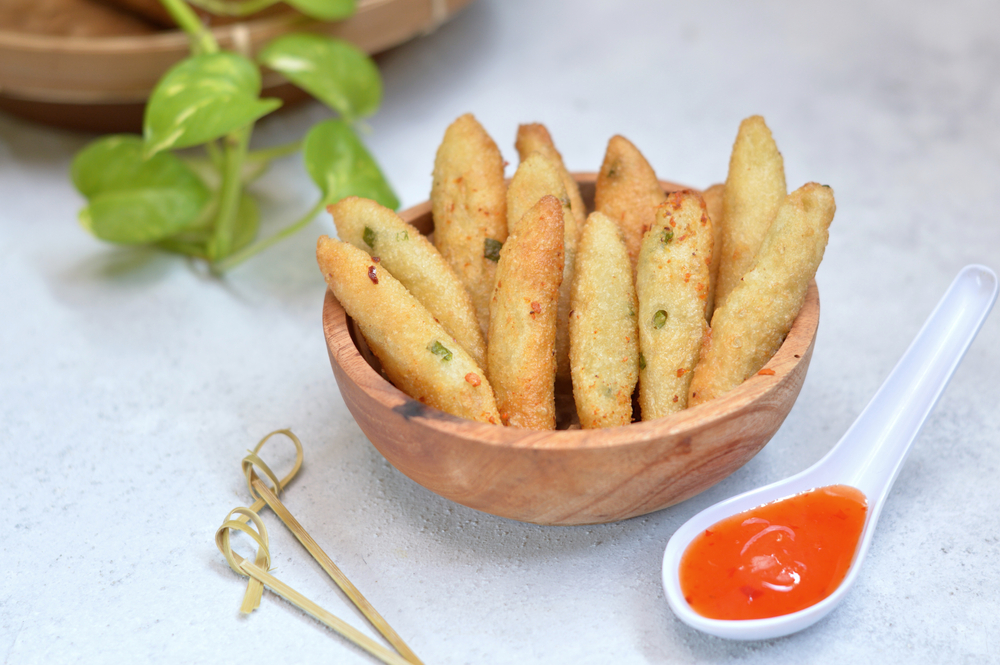
Photo: Shutterstock.com
Material:
– 100 grams of flour
– 250 ml water
– 300 gr mackerel fish
– 3 cloves of red onion
– 5 cloves of garlic
– 1 egg
– 1 tsp salt
– 2 tsp Now MSG
– 1 tsp sugar
– 1/2 tsp
– 200 gr sago/tapioca flour
– 1/2 tsp baking soda
How to make:
1. Mix the flour and ground onions with water while the stove is off. Stir well, then turn on the stove until it thickens.
2. Add 1 egg, salt and pepper, baking powder, sugar and Sasa MSG after the mixture has cooled.
3. Stir well then add the ground mackerel fish, stir again evenly.
4. Add tapioca flour, knead until smooth.
5. Grease your hands with cooking oil when forming so that the dough doesn’t stick.
6. Once shaped, boil the brains in boiling water mixed with cooking oil.
7. Boil the brains until they float, then remove from heat.
8. Fry the brains in hot oil until golden brown.
(brl/lak)
PakarPBN
A Private Blog Network (PBN) is a collection of websites that are controlled by a single individual or organization and used primarily to build backlinks to a “money site” in order to influence its ranking in search engines such as Google. The core idea behind a PBN is based on the importance of backlinks in Google’s ranking algorithm. Since Google views backlinks as signals of authority and trust, some website owners attempt to artificially create these signals through a controlled network of sites.
In a typical PBN setup, the owner acquires expired or aged domains that already have existing authority, backlinks, and history. These domains are rebuilt with new content and hosted separately, often using different IP addresses, hosting providers, themes, and ownership details to make them appear unrelated. Within the content published on these sites, links are strategically placed that point to the main website the owner wants to rank higher. By doing this, the owner attempts to pass link equity (also known as “link juice”) from the PBN sites to the target website.
The purpose of a PBN is to give the impression that the target website is naturally earning links from multiple independent sources. If done effectively, this can temporarily improve keyword rankings, increase organic visibility, and drive more traffic from search results.
Comments are closed, but trackbacks and pingbacks are open.